Storm Damage Repair in Denver, CO
Wind, hail, and storm damage can leave your roof vulnerable to the next leak.
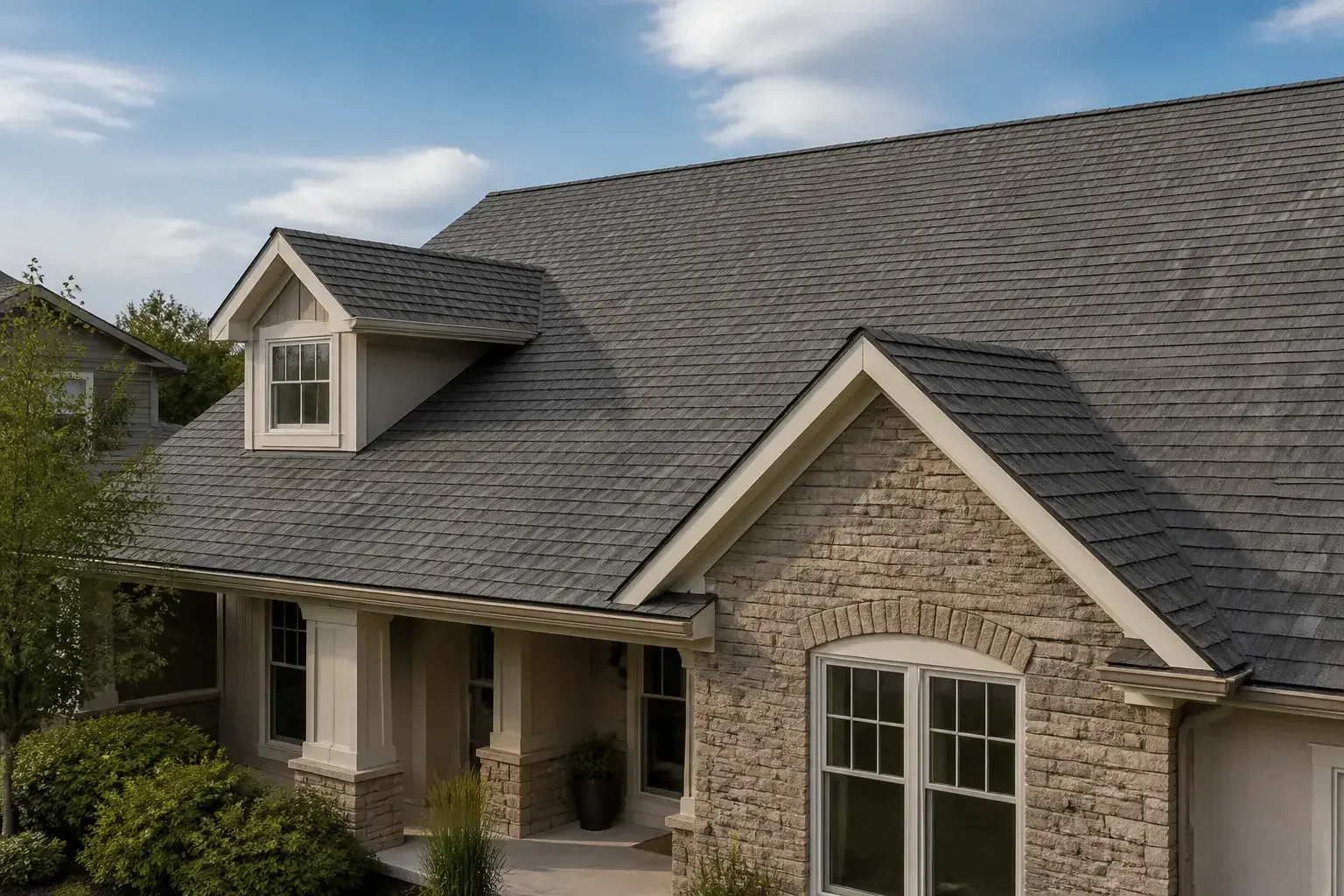
When a storm passes, the damage is not always obvious from the ground. You may notice a missing shingle here, a damp ceiling stain there, or granules collecting near the downspouts. Sometimes the roof looks fine at first glance, but a loose edge, lifted flashing, or dented gutter is enough to let water start working its way in.
If your home took a beating from wind, hail, or heavy rain, the next step is getting the roof checked and the damage addressed before it spreads. Summit Line Roofing helps homeowners in Denver with storm damage repair that focuses on the roof, the weak points around it, and the gutters that help move water away from the house.
Warning signs
Storm damage is not always dramatic. A roof can look mostly intact while still needing repair in a few key spots.
- Missing shingles: A bare patch on the roof means the underlayment is exposed and more vulnerable to water intrusion.
- Lifted edges: Shingles that curl, flap, or sit unevenly may have been loosened by wind and are no longer sealing tightly.
- Bruised surfaces: Soft spots or pockmarks on shingles can point to hail impact that may shorten the life of the roof.
- Indoor staining: Brown marks on ceilings or upper walls often mean water has already found its way inside.
- Dented metal components: Flashing, vents, and gutters can be bent or split by hail, which creates weak points around the roofline.
If you see any of these signs after a storm, do not wait for another round of weather to confirm the problem. Small roof damage can turn into larger repairs once moisture gets into seams, decking, or insulation.
What storms do
Storms do more than blow off a few shingles. They can weaken the roof in several ways at once, and each one calls for a different repair approach.
- Wind lift: Strong gusts can break the seal on shingles and pry up edges, especially on roof sections that face the weather directly.
- Hail impact: Even when hail does not puncture a roof, it can bruise shingles and leave them less able to shed water over time.
- Water entry: Rain driven under lifted shingles can travel farther than the original opening, making the visible problem only part of the issue.
- Gutter strain: Heavy rain and debris can clog or bend gutters, which causes water to back up and run where it should not.
- Flashing movement: Roof joints around chimneys, vents, and transitions are common leak points after severe weather has stressed the roof.
Storm damage repair is about finding where the roof lost its protection, then restoring those areas so the whole system can do its job again.
How we assess damage
A careful repair starts with a close look at the roof, not just the spots that are easy to see from the yard. Summit Line Roofing checks the areas most likely to fail after a storm and focuses on the parts that protect your home from the next round of weather.
Roof surface
We look for lifted shingles, missing pieces, impact marks, and uneven wear that may not be visible from below.
Flashing and edges
We inspect transitions, valleys, and roof edges where wind and water often do the most harm.
Gutters and drainage
We check gutters for dents, loose sections, and blockage that can cause overflow along the fascia and siding.
Interior clues
When needed, we connect roof damage to interior symptoms like stains, bubbling paint, or damp attic areas so the repair plan addresses the source.
This approach helps homeowners in Denver understand what was actually damaged, what needs immediate attention, and what can be monitored.
Repair options
Not every storm calls for a full replacement. In many cases, targeted repairs can restore protection without more work than necessary.
- Shingle replacement: Damaged or missing shingles are replaced to close exposed areas and match the surrounding roof as closely as possible.
- Flashing repair: We address bent, loosened, or failing flashing where roof sections meet walls, vents, or other penetrations.
- Leak sealing: Areas where water has started moving under the roof surface are repaired to stop the path before it spreads.
- Gutter installation work: If storm damage has left gutters unable to move water properly, we can replace damaged sections so drainage works as intended.
- Roof replacement: When storm damage is widespread or the roof has too many weak points to repair cleanly, a full replacement may be the more practical solution.
The right fix depends on the extent of the damage and the condition of the roof before the storm hit. We focus on giving homeowners a repair path that makes sense for the house, not just the visible damage.
After a storm
If your roof has been through a rough weather event, a few simple steps can help limit further damage before repairs begin.
- Look from the ground: Check for missing shingles, bent gutters, or debris that may have landed on the roof.
- Watch for water signs: Keep an eye on ceilings, walls, and attic areas for staining or dampness.
- Avoid disturbing damaged areas: Do not climb onto a wet or unstable roof to inspect it yourself.
- Document what you see: Photos of visible damage can help track which areas changed after the storm.
- Schedule a roof inspection: A focused inspection can confirm whether the damage is surface-level or part of a larger issue.
The sooner the roof is assessed, the easier it is to prevent a small breach from turning into widespread water damage.
Why gutters matter
Storm damage repair is not only about shingles. Gutters play a major part in keeping rainwater moving away from the home, and they are often hit hard by hail, debris, and overflow.
When gutters are bent, clogged, or loose, water can spill over the edge and soak the roofline, siding, and foundation areas. That overflow can make a roof repair fail faster because water keeps loading the same vulnerable edge. During storm damage work, Summit Line Roofing pays attention to the gutter system as part of the full repair picture.
If the gutters are part of the problem, fixing the roof alone may not solve the issue. A clear path for water is just as important as patching the damaged spots.
Local roof repairs
Homes in Denver can see storm damage in a lot of different forms, from wind-blown shingles to hail impacts and drainage trouble. The right repair is the one that fits the damage on your specific roof, not a one-size-fits-all patch.
Summit Line Roofing helps homeowners in Denver, Aurora, Lakewood, and Littleton with storm damage repair for roofs that need careful attention after rough weather. That may mean a section repair, a more extensive replacement, or gutter work that helps protect the roofline from repeat problems.
We keep the work focused on what the storm actually changed, so you can get back to a roof that sheds water the way it should.
Common questions
How do I know if storm damage is serious?
If shingles are missing, ceilings are stained, or gutters are bent, the damage should be checked sooner rather than later. Even minor-looking issues can let water in.
Can hail damage be hard to see?
Yes. Hail can bruise shingles without creating an obvious hole, so the roof may still look acceptable from the ground while its surface has been weakened.
Do I need repair if I only lost a few shingles?
In many cases, yes. A few missing shingles leave exposed areas that can admit water and create damage beyond the original spot.
What if the roof looks fine but the gutters are damaged?
Damaged gutters can still cause problems by sending water over the edge of the roofline. That runoff can affect siding, fascia, and other parts of the exterior.
Can storm damage lead to a full replacement?
Yes, if the damage is broad or if repairs would leave too many weak areas behind. A replacement can be the more practical option when the roof has taken repeated hits.
What should I do after heavy wind or hail?
Check for visible changes from the ground, note any indoor leaks or stains, and arrange for a roof inspection so the damage can be identified and repaired properly.
How We Work
A Clear Roofing Process
Every project starts with a careful look at the roof and a practical explanation of what comes next.
Inspect the Roof
We look over the roof surface, flashing, and likely trouble spots before recommending work.
Explain Your Options
You get a simple explanation of what we found and which path makes sense.
Finish Cleanly
We complete the job carefully and leave your property tidy.
FAQ
Common Roofing Questions
If you have questions about your roof or the next step for your project, reach out and we will help you sort through the options.
How do I know if my roof needs repair or replacement?
An inspection is the best starting point. We look at the condition of the roof and explain which option fits the situation.
Can you help after storm damage?
Yes, storm damage repair is one of our core services. We can assess the roof and explain the needed work.
Do you install new gutters too?
Yes, we handle gutter installation along with roofing work. Proper drainage helps protect the roof and home exterior.
What happens during a roof inspection?
We check the roof surface, flashing, and likely problem areas. Then we share what we found and what to do next.
Do you work on homes in nearby cities too?
Yes, we serve Denver, Aurora, Lakewood, and Littleton. We help homeowners across these communities with roofing needs.
Talk With a Local Roofing Team
Tell us what is happening with your roof, and we will help you choose the right next step for repair, replacement, inspections, storm damage work, or gutters.