Roof Inspections in Denver, CO
Unseen roof problems can go unnoticed until they become costly repairs.
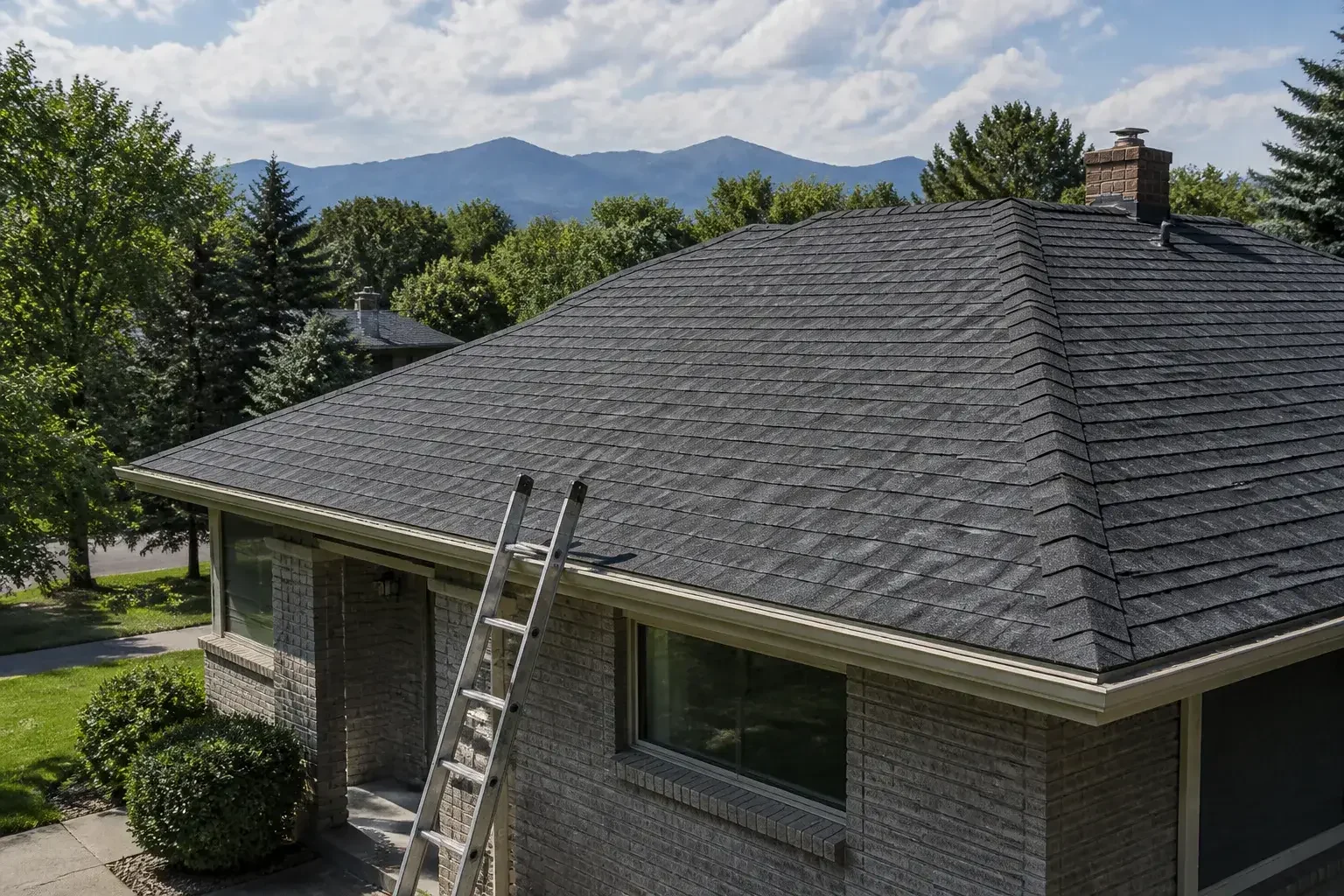
If you have stains on the ceiling, shingles in the yard, or a roof that just looks worn out, it may be time to take a closer look. Small issues can stay hidden until they turn into leaks, damaged decking, or interior repairs that take more time to handle.
A roof inspection gives you a clear picture of what is happening on the roof now, what could be developing, and what should be addressed soon. Summit Line Roofing helps homeowners in Denver, Aurora, Lakewood, and Littleton get straightforward answers so they can make a smart next step for their home.
Signs to watch
A roof does not usually fail all at once. It sends clues first, and those clues are easier to catch when you know what to look for.
- Water stains: Brown rings or streaks on ceilings and upper walls can point to moisture getting past the roof covering.
- Missing or lifted shingles: Shingles that are cracked, curled, or out of place leave openings where water can work in.
- Granules in gutters: Large amounts of shingle granules can be a sign the roof surface is wearing down.
- Sagging areas: A roofline that looks uneven may point to deeper structural concerns that need attention.
- Past storm impact: Hail, wind, or heavy debris can leave damage that is not always easy to see from the ground.
If one of these signs is showing up, an inspection can help you understand whether the issue is isolated or part of a larger problem.
What we check
A roof inspection should be more than a quick glance from the driveway. It should focus on the areas most likely to let water in, along with signs of wear that may not be obvious until you are close to the roof.
We look at the most common trouble spots, including:
- Shingles and surface wear: We check for cracking, lifting, missing pieces, and spots where the surface is breaking down.
- Flashing and edges: We inspect the metal and transition areas around roof edges, valleys, vents, chimneys, and other openings where leaks often start.
- Roof penetrations: We look at vents, pipes, and other openings to see whether seals and surrounding materials are still holding up.
- Gutters and drainage: We check for signs that runoff is backing up, spilling over, or causing wear along the roof edge.
- Visible storm damage: We look for dents, bruising, and impact marks that may suggest the roof took on weather-related damage.
The goal is to identify what is happening now and what should be monitored so you are not guessing about the condition of the roof.
How visits work
A roof inspection should feel clear and organized from start to finish. Summit Line Roofing keeps the process simple so you know what is being checked and what the findings mean.
1. Initial look
We start by reviewing the concerns you have noticed, such as leaks, missing shingles, or recent storm impact. That helps focus the inspection on the areas most likely to need attention.
2. Roof review
Next, we inspect the roof surface and visible trouble spots. We pay attention to material condition, weak areas, and places where water can enter.
3. Findings and next steps
After the inspection, we explain what we found in plain language. If repairs are needed, we point out why. If the roof is in fair shape, we let you know what to keep an eye on.
A good inspection should leave you with a better understanding of the roof, not more confusion.
Common causes
Many roof issues start small and grow slowly. Knowing the usual causes can help you understand why an inspection matters even when the roof looks fine from the street.
- Aging materials: Shingles and flashing do not last forever, and wear becomes more likely as materials age.
- Wind lift: Strong wind can loosen shingles or create small openings that are easy to miss.
- Storm impact: Hail and flying debris can damage surfaces without creating an obvious leak right away.
- Poor drainage: When gutters or roof edges are not moving water away properly, moisture can linger where it should not.
- Previous repair issues: Old patchwork or rushed repairs can hide problem spots instead of solving them.
An inspection helps separate normal wear from damage that needs attention now.
Why inspections help
A roof inspection is useful even when you are not seeing active dripping inside the house. Many homeowners wait until water shows up indoors, but by then the problem may already involve more than one part of the roof.
An inspection can help you:
- Catch hidden damage: Some issues stay out of sight until someone gets up close and checks the roof carefully.
- Plan repairs early: Knowing what needs attention helps you schedule roof repair before the problem spreads.
- Understand storm impact: After heavy weather, a closer look can confirm whether the roof needs more than a quick visual check.
- Protect nearby materials: When roof edges or gutters are compromised, water can affect other parts of the home too.
For homeowners in Denver, getting a roof inspection after a major weather event or when symptoms first show up can save time and prevent guesswork.
What homeowners should know
A roof inspection is most helpful when you know what the findings mean and how to use them. The goal is not just to spot damage, but to decide what comes next.
- Not every issue means replacement: Some problems are limited to a small section and can be handled with targeted roof repair.
- Surface damage and leak points are different: A roof can look worn without actively leaking, or it can leak from a small hidden opening.
- Storm concerns deserve a closer look: Even when damage is hard to see from the ground, a roof check can reveal signs that matter.
- Gutters affect roof performance: If water is not moving off the roof properly, the inspection should include drainage-related concerns.
If you are trying to decide whether to repair, replace, or simply keep watch, an inspection gives you a practical starting point.
Inspection after storms
Storm-related roof concerns often show up in subtle ways. Missing shingles are obvious, but many problems are less direct and can still lead to leaks if they are left alone.
A storm inspection is especially helpful if you notice:
- shingles that look disturbed or out of alignment
- debris collecting in low spots or gutters
- new dents or marks on roof surfaces
- water spots appearing after rain
- loose pieces near the roof edge
Summit Line Roofing can inspect the roof for visible storm-related damage and help you understand whether the issue calls for repair or more in-depth attention.
Common questions
How often should a roof be inspected?
A roof should be checked whenever something changes, such as after a storm or when you notice leaks, missing shingles, or visible wear.
What if I only see a small stain indoors?
Even a small stain can signal a bigger issue above it, so a roof inspection can help trace the source before the damage spreads.
Can an inspection find problems I cannot see from the ground?
Yes. Many roof issues start in spots that are hard to spot from below, including flashing, edges, and roof penetrations.
Do gutters matter during a roof inspection?
They do, because drainage problems can contribute to roof wear and water buildup along the edge.
What happens if the roof looks mostly fine?
You still get a clearer picture of the roof condition, along with any areas that should be watched or repaired later.
Is a roof inspection useful before selling a home?
Yes. It can help you understand the roof condition in advance so you are not surprised by issues later in the process.
Schedule your inspection
If you need a roof inspection in Denver, Summit Line Roofing is ready to take a close look and give you clear next steps. We inspect homes across Denver, Aurora, Lakewood, and Littleton for roof wear, storm concerns, and signs of leaks.
A roof problem is easier to handle when it is found early. If your roof has been showing symptoms, or if you simply want a better read on its condition, schedule an inspection and get answers you can use.
How We Work
A Clear Roofing Process
Every project starts with a careful look at the roof and a practical explanation of what comes next.
Inspect the Roof
We look over the roof surface, flashing, and likely trouble spots before recommending work.
Explain Your Options
You get a simple explanation of what we found and which path makes sense.
Finish Cleanly
We complete the job carefully and leave your property tidy.
FAQ
Common Roofing Questions
If you have questions about your roof or the next step for your project, reach out and we will help you sort through the options.
How do I know if my roof needs repair or replacement?
An inspection is the best starting point. We look at the condition of the roof and explain which option fits the situation.
Can you help after storm damage?
Yes, storm damage repair is one of our core services. We can assess the roof and explain the needed work.
Do you install new gutters too?
Yes, we handle gutter installation along with roofing work. Proper drainage helps protect the roof and home exterior.
What happens during a roof inspection?
We check the roof surface, flashing, and likely problem areas. Then we share what we found and what to do next.
Do you work on homes in nearby cities too?
Yes, we serve Denver, Aurora, Lakewood, and Littleton. We help homeowners across these communities with roofing needs.

Talk With a Local Roofing Team
Tell us what is happening with your roof, and we will help you choose the right next step for repair, replacement, inspections, storm damage work, or gutters.