Roof Replacement in Denver, CO
A worn-out roof can keep causing problems until it is fully replaced.
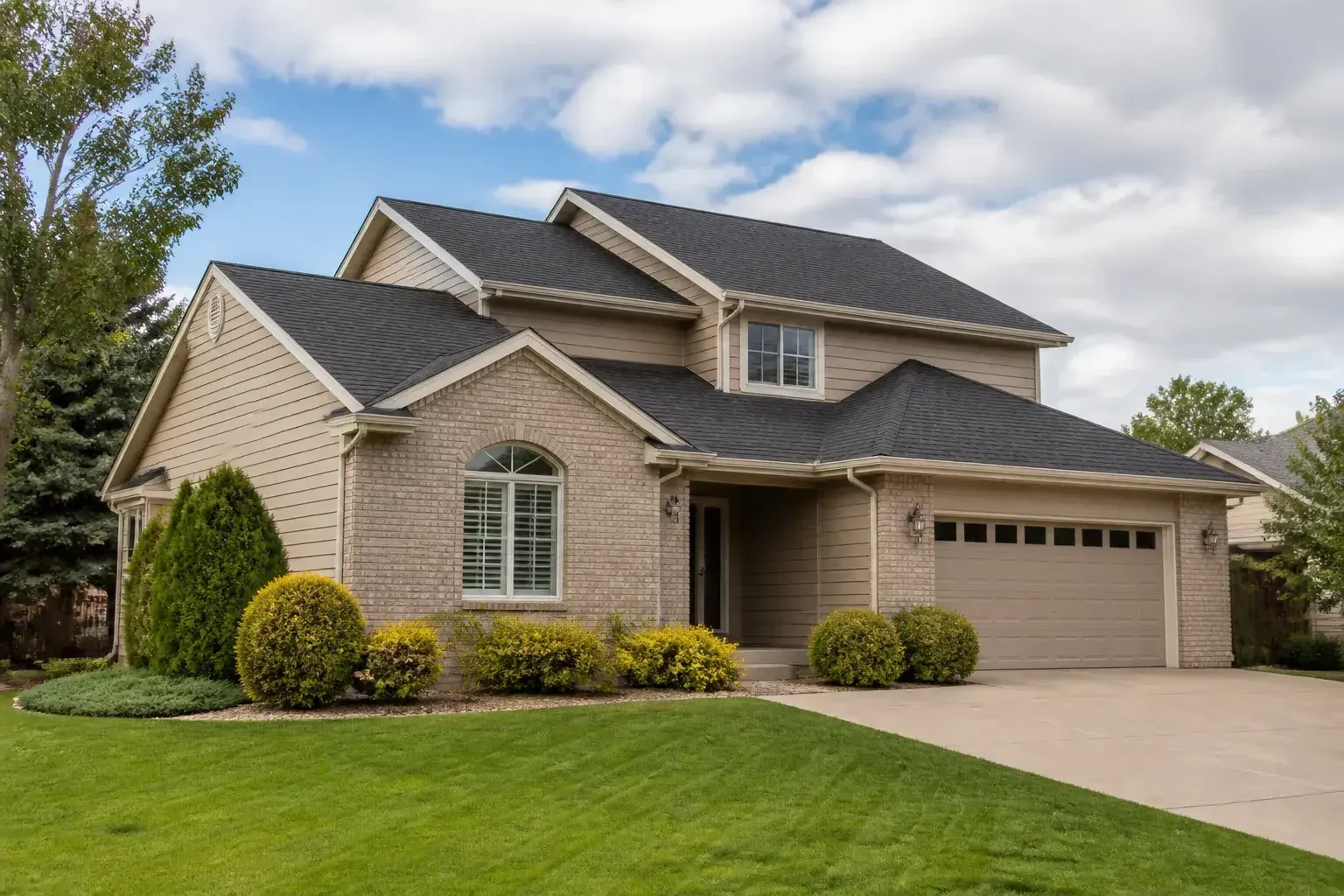
A roof that keeps showing the same problems can wear you down fast. If shingles are curling, missing, or repeatedly patching only delays the next leak, a full replacement may be the more practical next step. You may also notice dark spots on ceilings, granules collecting in gutters, or parts of the roof that look uneven from the ground. Those signs do not always mean a collapse is near, but they do mean the roof needs real attention.
If you have already repaired one section and another issue appeared soon after, the system may be reaching the point where patchwork no longer makes sense. Summit Line Roofing helps homeowners in Denver sort through those warning signs, understand what replacement involves, and move forward with a roof that fits the home instead of repeating temporary fixes.
Warning signs
Some roofs give clear signals before they fail, while others fade slowly from years of wear. A replacement is often worth considering when the roof shows more than one of these problems at once.
- Repeated leaks: Water showing up in different places can mean the surface is failing beyond a single spot.
- Curling or lifting shingles: Shingles that no longer lie flat can let wind and moisture work underneath them.
- Missing sections: Gaps in the roof covering create weak points that patching may only cover for a short time.
- Worn valleys and edges: These areas handle a lot of runoff, so damage there often points to larger trouble.
- Visible sagging: Any dip or uneven area should be taken seriously because it may indicate structural stress.
- Heavy granule loss: When shingles shed too many protective granules, they lose strength and weather resistance.
If the roof has several of these symptoms, a full replacement may be easier to live with than chasing one repair after another.
When replacement makes sense
Not every damaged roof needs to be torn off, but there are times when replacement is the cleaner choice. The decision usually comes down to how widespread the damage is and how the roof has been performing.
- Damage is spread out. If problems appear in multiple areas, a repair may not solve the underlying issue.
- Past repairs keep failing. When one patch leads to another leak nearby, the roof may no longer be holding together well.
- Shingles have aged unevenly. A roof that looks tired in many sections can be harder to match and maintain with spot fixes.
- Storm damage is broad. When a storm affects large portions of the roof, replacement can be more practical than piecemeal work.
- You want a fresh start. Some homeowners prefer to replace an aging roof before small issues become larger disruptions.
A direct conversation about the roof’s condition can save time and help you choose a path that makes sense for the home, not just the immediate symptom.
Our replacement process
Roof replacement should feel organized, not chaotic. Summit Line Roofing keeps the job focused on the parts that matter most so you know what is happening from start to finish.
Roof evaluation
We start by looking at the roof’s condition, the visible damage, and the areas that appear to be causing the most trouble. That helps determine whether replacement is the right move and what parts of the roof need attention.
Tear-off and prep
Old roofing materials are removed so the deck can be checked underneath. This step matters because hidden damage can affect how the new roof performs once it is installed.
New roof installation
We install the replacement roofing materials with careful attention to the details that help the roof shed water and stand up to regular wear. The goal is a finished roof that looks clean and performs the way it should.
Cleanup and finish
After the installation, the work area is cleared so your property is left in good order. We also make sure the final result is ready for everyday use, not just for the day the job is completed.
Material and style choices
A roof replacement is also a chance to make sure the new roof fits the home’s needs. The right choice depends on the roof shape, the condition of the structure underneath, and the look you want from the finished project.
- Shingle selection: Different roofing materials can change how the home looks and how the roof handles regular weather exposure.
- Color choice: A roof color should complement the home without standing out in a way that feels off.
- Edge details: Clean edges and transitions matter because they help the roof finish look intentional.
- Gutter fit: Since Summit Line Roofing also handles gutter installation, we can coordinate the roof work with the parts that carry water away from the home.
A replacement works best when the visible finish and the water-handling details are planned together. That way the roof does not just cover the house, it works with it.
Storm damage clues
Storms do not always leave dramatic destruction behind. Sometimes the signs are subtle at first, then become more obvious when the roof starts leaking or shedding materials.
If you are looking at a roof after a storm, pay attention to these clues:
- Lifted shingles: Wind can loosen edges even when the roof still looks mostly intact from below.
- Bruised surfaces: Impact can weaken shingles without creating a hole you can see right away.
- Scattered debris: Granules, broken pieces, and displaced flashing can signal more than surface wear.
- New interior stains: Water marks after a storm often point to damage that needs more than a quick patch.
Storm damage repair and roof replacement can overlap when the roof has taken on enough wear that repairs no longer restore confidence. In that case, a full replacement may be the more sensible long-term fix.
Why homeowners replace
Homeowners usually do not choose replacement because they want a bigger project. They choose it because they are tired of uncertainty. A roof that keeps asking for attention can affect the rest of the house and make every storm feel like a test.
A replacement can help when you want:
- Fewer repeat issues: One complete project can be easier to manage than a string of isolated repairs.
- Better curb appeal: A new roof can make the home look more finished and cared for.
- Cleaner water control: Replacing worn roofing and coordinating gutters can reduce the chances of runoff trouble.
- More predictable upkeep: A new roof gives you a fresh starting point instead of constant guesswork.
For many homeowners, the real value is peace of mind. You know what is on the house, how it was installed, and what to watch going forward.
Service areas
Summit Line Roofing serves homeowners in Denver and nearby communities including Aurora, Lakewood, and Littleton. If you live in one of these areas and your roof is showing signs that repairs are no longer enough, we can help you decide whether replacement is the right next step.
A roof replacement should be straightforward from the homeowner’s side. You should know why the work is needed, what the process involves, and what the finished roof is intended to do for the home.
Common questions
How do I know if repair is enough?
If the damage is limited to one area and the rest of the roof is still performing well, a repair may be enough. If problems keep showing up in different spots, replacement is worth discussing.
What happens to the old roof?
The existing roofing materials are removed so the roof deck can be checked and the new roofing can be installed on a sound surface.
Can a replacement help with recurring leaks?
Yes, especially when the leaks are tied to worn materials rather than one isolated problem. A new roof can address the larger cause instead of only the visible symptom.
Should gutters be addressed during replacement?
They should at least be considered. If gutters are damaged, poorly fitted, or not moving water away well, it makes sense to look at them while the roof work is being planned.
How long does the process take?
The timeline depends on the roof’s size, condition, and the amount of work needed once the old materials are removed.
What should I prepare before the work starts?
Clear access around the home, move fragile items away from walls and ceilings if needed, and make sure vehicles or outdoor items are placed where they will not get in the way.
If your roof is showing signs that repairs are no longer enough, Summit Line Roofing can help you move toward a replacement that fits the home and the problem in front of you.
How We Work
A Clear Roofing Process
Every project starts with a careful look at the roof and a practical explanation of what comes next.
Inspect the Roof
We look over the roof surface, flashing, and likely trouble spots before recommending work.
Explain Your Options
You get a simple explanation of what we found and which path makes sense.
Finish Cleanly
We complete the job carefully and leave your property tidy.
FAQ
Common Roofing Questions
If you have questions about your roof or the next step for your project, reach out and we will help you sort through the options.
How do I know if my roof needs repair or replacement?
An inspection is the best starting point. We look at the condition of the roof and explain which option fits the situation.
Can you help after storm damage?
Yes, storm damage repair is one of our core services. We can assess the roof and explain the needed work.
Do you install new gutters too?
Yes, we handle gutter installation along with roofing work. Proper drainage helps protect the roof and home exterior.
What happens during a roof inspection?
We check the roof surface, flashing, and likely problem areas. Then we share what we found and what to do next.
Do you work on homes in nearby cities too?
Yes, we serve Denver, Aurora, Lakewood, and Littleton. We help homeowners across these communities with roofing needs.
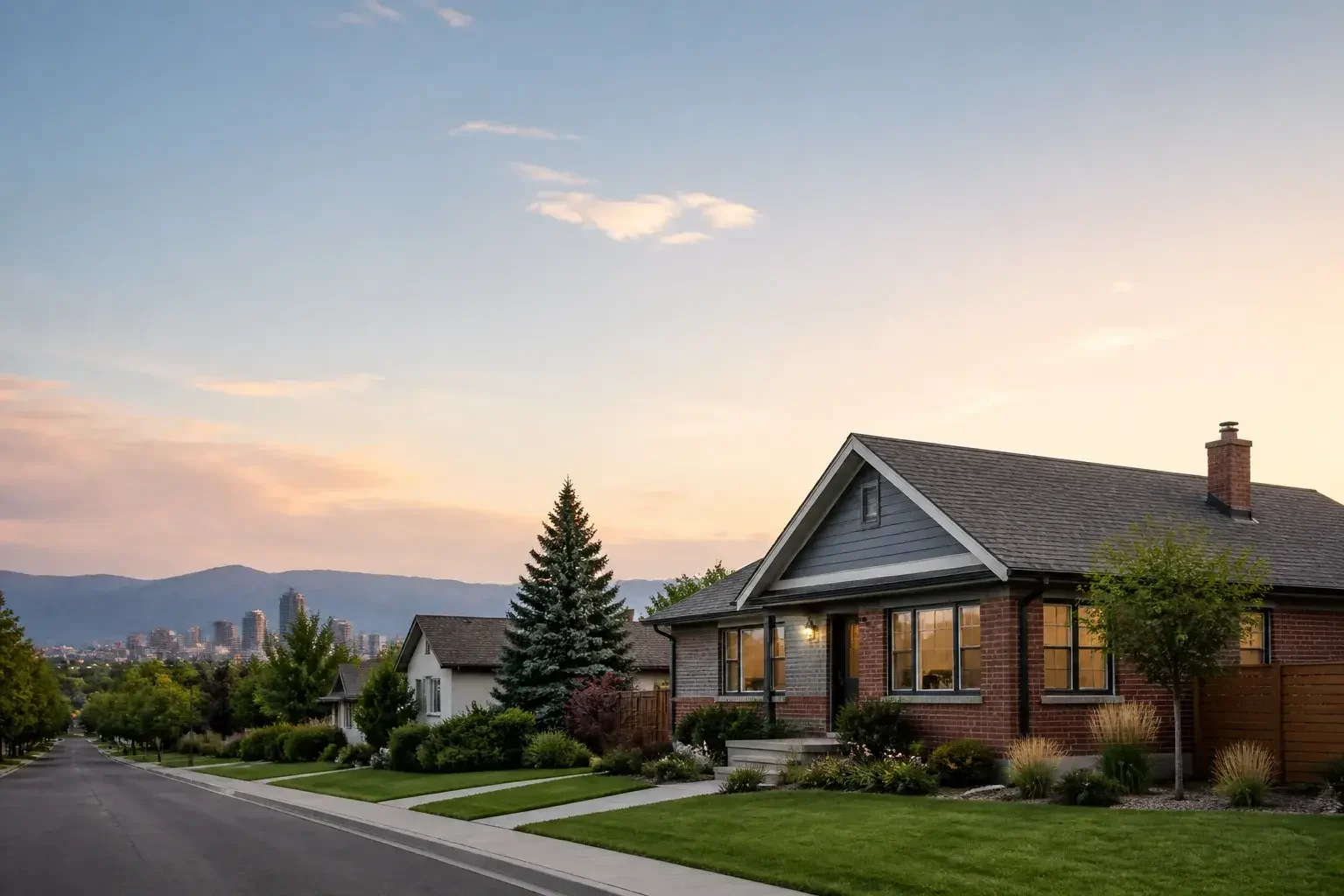
Talk With a Local Roofing Team
Tell us what is happening with your roof, and we will help you choose the right next step for repair, replacement, inspections, storm damage work, or gutters.