Gutter Installation in Denver, CO
Poor drainage can push water where it does not belong and damage your home.
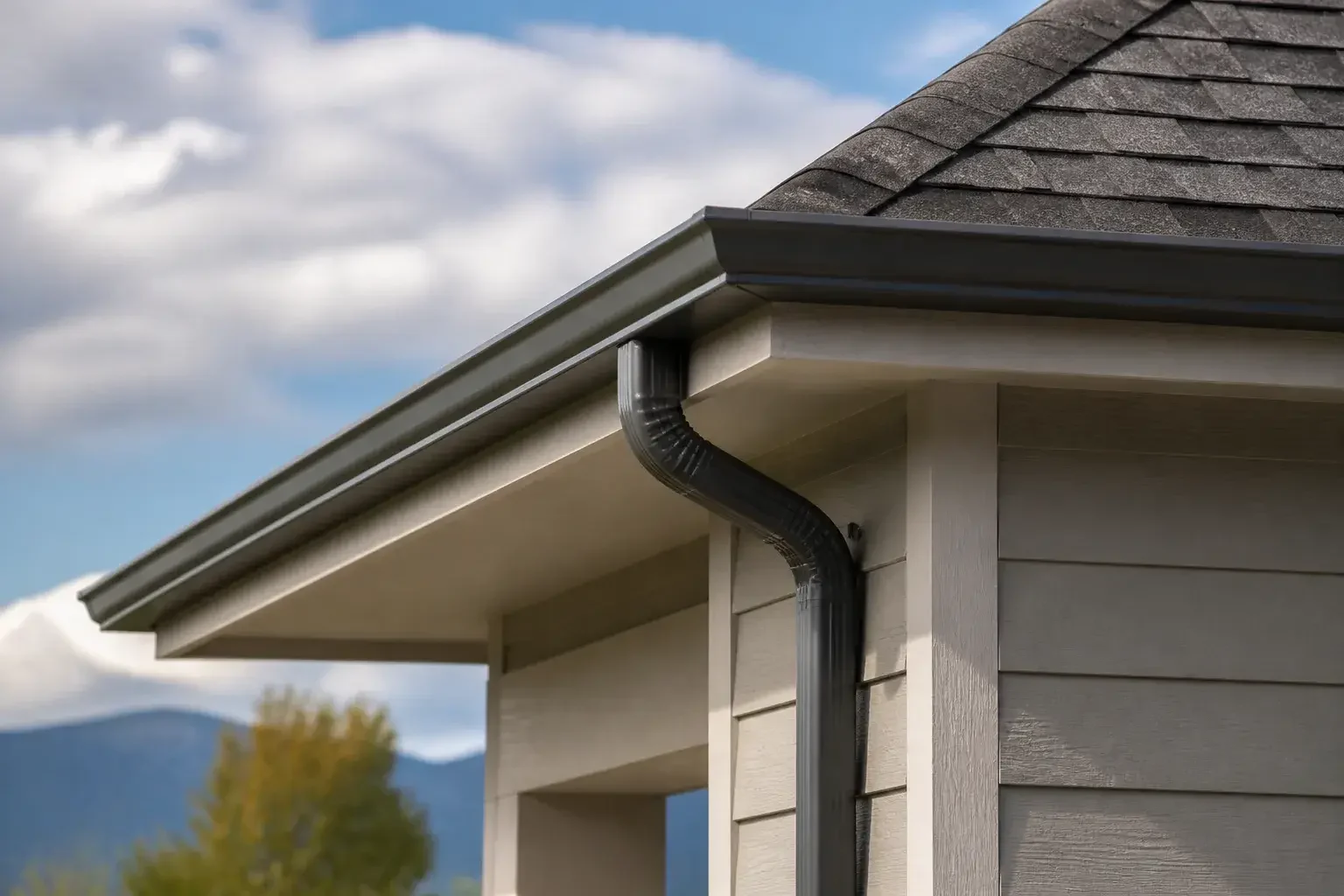
When gutters sag, overflow, or pull away from the roof, water starts going where it should not. You may notice streaks on siding, pooling near the foundation, splashing at entryways, or drip lines that keep showing up after rain. If your current gutters are cracked, undersized, or simply not keeping up, it is time to have them looked at before the next round of water causes more trouble.
A new gutter system can solve a lot of these headaches at once. Summit Line Roofing helps homeowners choose and install gutters that match the roof’s layout, direct runoff cleanly, and work with the rest of the exterior. If you are comparing options for gutter installation in Denver, we make the next step straightforward: get the roofline evaluated, plan the right setup, and install gutters that are ready for real weather.
Warning signs
Not every gutter problem looks dramatic. Some issues show up slowly, then keep getting worse each season. If you have noticed any of the signs below, a replacement may be the better move than patching the same spots again.
- Overflow during rain: Water spilling over the front edge usually means the gutters are clogged, too small, or pitched incorrectly.
- Separated joints: Open seams and pulled connections let water escape before it reaches the downspouts.
- Rust, cracks, or bends: Physical damage can keep a gutter from holding its shape and draining properly.
- Peeling fascia paint: Repeated moisture behind the gutters often leaves visible marks on the wood trim.
- Puddles near the home: Runoff that lands too close to the foundation can create avoidable moisture issues.
If a gutter system is showing several of these signs, replacement is usually the cleaner solution. It gives you a fresh start instead of trying to keep an aging setup patched together.
What we install
A good gutter system is not just a line of metal along the edge of the roof. It should fit the home, connect properly, and move water away without constant attention. Summit Line Roofing installs gutters with the layout and drainage needs of the home in mind.
Roofline fit
We look at how water moves off the roof and how the gutters can follow that path. Corners, valleys, and longer roof runs all affect the layout, so the system needs to be planned with those details in mind.
Downspout placement
Downspouts matter as much as the gutters themselves. We place them so runoff can leave the roof quickly and travel away from high-traffic areas and vulnerable spots around the home.
Clean connections
Loose joints and awkward transitions are common failure points. We focus on a solid installation that helps reduce leaks at seams, corners, and other stress points.
Matching the home
The goal is a system that works well and looks intentional. New gutters should complement the roofline instead of standing out as an afterthought.
How installation works
Homeowners often want to know what the process looks like before they commit to anything. The work should be organized, clear, and built around the actual roof conditions rather than a one-size-fits-all approach.
- Roofline review: We examine the current gutter setup, look for problem areas, and note where runoff needs better control.
- System planning: We map out gutter runs and downspout locations so the new system will move water efficiently.
- Removal and prep: If old gutters are failing, we remove them and prepare the fascia and roof edge for the new installation.
- Installation: We install the new gutters, secure the sections, and make sure the pieces align properly.
- Final check: We confirm that the system is set to drain as intended and that the finished work looks clean.
This process helps keep the job focused on function first. The result should be a gutter system that does its job without creating new problems at the roof edge.
Why gutters fail
Many gutter problems start with small issues that go unnoticed until water damage shows up elsewhere. Understanding the common causes can help you see why a replacement may be the better long-term move.
- Poor slope: If gutters are not pitched correctly, water sits in the channel instead of flowing to the downspouts.
- Too little capacity: Some systems are not sized well for the roof area they need to handle.
- Loose fasteners: When hangers or supports weaken, the gutter starts to sag and shift.
- Clogged outlets: Leaves and debris can block water from entering the downspouts.
- Age and wear: Over time, seams, corners, and surfaces break down from repeated exposure.
In some homes, one issue leads to another. A small sag creates standing water, standing water adds weight, and the added weight pulls the system farther out of shape. Replacing the gutters can stop that cycle and give the home a cleaner water path.
What homeowners notice
A new gutter installation is often appreciated most after the next rain. The benefits show up in the way water moves, where it lands, and how much attention the system needs afterward.
- Cleaner runoff control: Water travels through the gutters instead of spilling wherever the roof edge sends it.
- Less splashback: Properly placed downspouts help keep water from bouncing against siding, steps, or walkways.
- Better curb appearance: Fresh gutters give the home a more finished look along the roofline.
- Fewer drainage headaches: A well-planned system helps reduce common overflow and pooling problems.
- Improved roof-edge protection: Keeping water moving away from the fascia and trim helps reduce wear on those materials.
These benefits are practical, not cosmetic. The right gutter setup helps protect the parts of the home that get hit first when runoff is not managed well.
Before we start
A good installation starts with a few simple checks. Before work begins, homeowners should know what will be evaluated and what decisions may affect the final setup.
Existing damage
If the fascia, trim, or roof edge has already been damaged by water, that needs to be noted before new gutters go on. New gutters should not cover up a problem that still needs attention.
Drainage path
Water has to go somewhere after it leaves the downspouts. The installation should account for where runoff will land and how it will move away from the home.
Roof shape
Not every roofline drains the same way. Valleys, slopes, and long runs can change how the gutter system should be arranged.
Service areas
Summit Line Roofing provides gutter installation for homeowners in Denver, Aurora, Lakewood, and Littleton. We work with homes that need a fresh gutter system, a replacement for failing sections, or a cleaner solution for directing roof runoff.
If you are comparing options in Denver and want a gutter system that fits your home instead of forcing a generic layout, we can help you plan the right approach. The goal is simple: install gutters that move water where it needs to go and support the rest of the exterior.
Common questions
Do I need new gutters if mine still hold water?
If gutters hold water after rain, they may be pitched incorrectly, sagging, or partially blocked. A replacement is often worth considering when the problem keeps coming back.
Can new gutters help with overflow?
Yes, as long as the new system is sized and placed correctly. Overflow usually happens when water cannot enter, travel through, or exit the gutters efficiently.
How do I know if the downspouts are in the right place?
Downspouts should help move water away from trouble spots, not create new ones. If runoff lands near entries, foundations, or walkways, the layout may need to be adjusted.
What if the roof edge is already damaged?
That issue should be addressed before or during installation so the new gutters have a sound surface to attach to. Otherwise, the same problems can return.
Can new gutters improve how the home looks?
Yes. Fresh gutters can clean up the roofline and make the exterior look more finished, especially when the old system was bent, stained, or mismatched.
How long does the planning step take?
That depends on the size and shape of the roof, but the planning is important. A careful layout helps the installed system perform better from the start.
Start with the right fit
If your current gutters are leaking, sagging, or no longer keeping water under control, Summit Line Roofing can help you move forward with a better setup. We install gutters with the roofline, drainage path, and home layout in mind so the system works the way it should.
When you are ready for gutter installation in Denver, reach out and get a straightforward plan for your home.
How We Work
A Clear Roofing Process
Every project starts with a careful look at the roof and a practical explanation of what comes next.
Inspect the Roof
We look over the roof surface, flashing, and likely trouble spots before recommending work.
Explain Your Options
You get a simple explanation of what we found and which path makes sense.
Finish Cleanly
We complete the job carefully and leave your property tidy.
FAQ
Common Roofing Questions
If you have questions about your roof or the next step for your project, reach out and we will help you sort through the options.
How do I know if my roof needs repair or replacement?
An inspection is the best starting point. We look at the condition of the roof and explain which option fits the situation.
Can you help after storm damage?
Yes, storm damage repair is one of our core services. We can assess the roof and explain the needed work.
Do you install new gutters too?
Yes, we handle gutter installation along with roofing work. Proper drainage helps protect the roof and home exterior.
What happens during a roof inspection?
We check the roof surface, flashing, and likely problem areas. Then we share what we found and what to do next.
Do you work on homes in nearby cities too?
Yes, we serve Denver, Aurora, Lakewood, and Littleton. We help homeowners across these communities with roofing needs.

Talk With a Local Roofing Team
Tell us what is happening with your roof, and we will help you choose the right next step for repair, replacement, inspections, storm damage work, or gutters.