Roof Repair in Denver, CO
Leaks, missing shingles, and wear can spread fast without a careful repair.
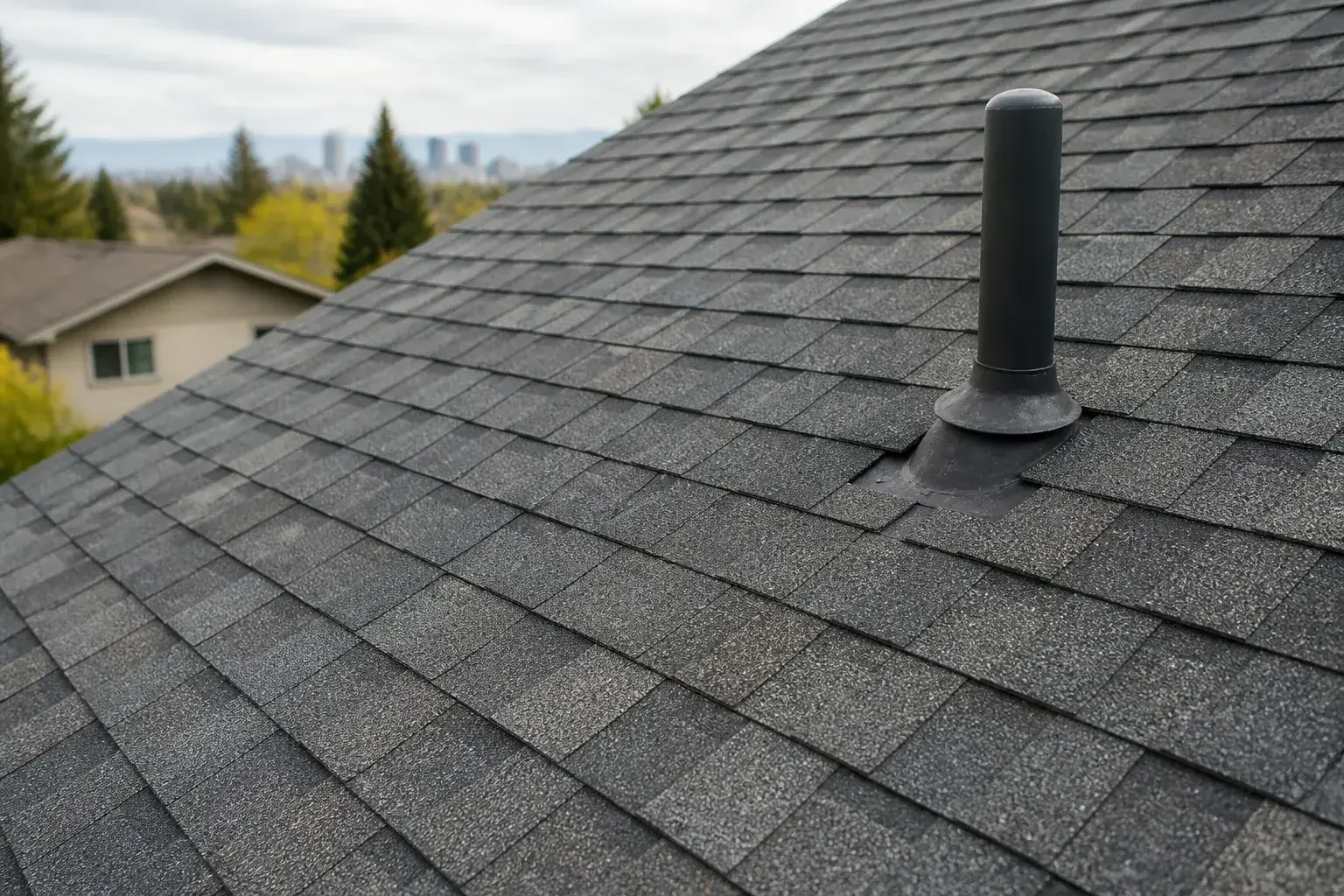
If you have a leak, a soft spot, or shingles that look out of place, it is time to take a closer look. Small roof issues can turn into bigger damage when water keeps finding the same weak point, especially after a storm or a stretch of rough weather.
A roof problem does not always start with a dramatic hole. Sometimes it shows up as a damp ceiling corner, a missing shingle in the yard, granules in a gutter, or a stain that seems to grow after each heavy rain. Summit Line Roofing helps homeowners in Denver get those problems checked, identified, and repaired before they spread.
Warning signs
Some roof damage is easy to miss until the signs become harder to ignore. Watching for the early clues can help you act before a small repair turns into a larger one.
- Interior stains: Brown spots on ceilings or upper walls often point to water getting past a weak area in the roof.
- Missing shingles: Bare patches on the roof can leave underlayment exposed and make the area vulnerable to more damage.
- Curling edges: Shingles that lift, cup, or curl no longer sit flat and may let water and wind work underneath them.
- Granules in gutters: A heavy amount of shingle granules in the gutter can signal aging materials or storm wear.
- Soft spots: Areas that feel spongy or uneven underfoot may point to underlying damage that needs attention.
- Drips after rain: Active dripping or repeated dampness after storms usually means the issue has not been fully resolved.
If you notice one or more of these signs, it is worth having the roof checked. A prompt repair can often protect the rest of the roof from unnecessary wear.
Common causes
Roof damage can come from a few different sources, and the fix depends on what is actually happening at the problem area.
- Aging shingles: Materials wear down over time, lose flexibility, and become more likely to crack or lift.
- Wind damage: Strong gusts can loosen shingles, move flashing, or expose nails and seams.
- Storm impact: Hail or flying debris can bruise shingles, damage exposed edges, or open small paths for water.
- Failed flashing: Metal flashing around chimneys, walls, vents, and transitions can loosen or separate, creating leak points.
- Clogged drainage: Gutters that do not move water away properly can let runoff back up along the roof edge.
Summit Line Roofing looks for the source, not just the symptom. That matters because a stain inside the house may start in a different place on the roof than the spot where the water finally shows up.
How repairs work
A good repair starts with the problem area, but it should also account for what may have caused it.
1. Find the source
We begin by tracing the leak or damage to the most likely entry point. That may involve checking shingles, flashing, valleys, vents, and roof edges.
2. Match the repair
The repair needs to fit the condition of the roof. Sometimes that means replacing damaged shingles, and sometimes it means resealing a vulnerable transition or correcting a worn connection.
3. Check surrounding areas
When one section has failed, nearby sections may also show wear. We look for nearby trouble so the repair does not stop at the most obvious spot.
4. Confirm the result
After the repair is completed, the area should be left ready to handle normal weather conditions again. The goal is to solve the issue cleanly and avoid repeat trouble from the same spot.
If your roof has more than one concern, we will talk through what we see and what should be addressed first. Clear communication matters as much as the repair itself.
What we fix
Roof repair can mean many different things, depending on the condition of the roof and where the problem is located.
- Shingle replacement: Damaged or missing shingles are replaced so the roof surface is no longer exposed.
- Leak tracing: We identify where water is entering and repair the point of failure instead of patching the symptom.
- Flashing repair: Loose or damaged flashing around roof intersections can be corrected before more water gets in.
- Wind lift repair: Shingles that have been lifted by wind can be secured or replaced to restore coverage.
- Localized storm damage repair: Areas affected by hail or impact are repaired where the damage has actually occurred.
- Gutter-related fixes: When runoff is contributing to roof edge problems, we assess the connection between the roof and the gutter line.
Not every problem needs a full replacement. Many roof issues can be handled with targeted repair when the rest of the roof is still in workable shape.
Before we start
Homeowners often want to know what to look at before scheduling a repair. A few simple notes can help speed up the process and make the visit more useful.
- Visible leaks: Note when the leak appears, whether it happens during rain or after, and where you notice it inside.
- Exterior clues: If you can safely see the roof from the ground, look for missing shingles, lifted edges, or damaged flashing.
- Gutter condition: Check whether gutters are full of granules or debris, since that can help point to trouble above.
- Recent weather: Storms, strong wind, or hail can help explain when the damage started.
Do not climb onto the roof to inspect it yourself. A ground-level look and a clear description of the problem are usually enough to get started.
When to act quickly
Some signs should not wait. If water is actively getting in, if a ceiling stain is growing, or if a damaged area is getting larger after each rain, it is time to schedule a repair before the problem spreads.
Denver homes
Roof repair needs can look different depending on the roof style, the age of the materials, and how long the problem has been developing. In Denver, homeowners often call after noticing a leak that only appears during certain weather or after spotting damage that was not obvious from the ground.
Summit Line Roofing works on homes in Denver, Aurora, Lakewood, and Littleton, so we see a range of roof conditions and repair needs. Some homes need a simple shingle replacement, while others need a more careful fix around flashing, valleys, or roof edges. The right approach depends on what is damaged and how far the issue has spread.
If you are not sure whether the problem is minor or more involved, that is normal. A careful roof repair visit can show you what needs attention now and what can wait.
Why repairs matter
A roof leak is rarely only a roof problem. Water can affect insulation, drywall, wood framing, and the areas around walls and ceilings if the issue keeps going.
Repairing a problem early can help you:
- Limit spread: Stopping water at the source helps keep the damage from moving into other parts of the home.
- Protect nearby materials: Fixing a weak area can help preserve the sections around it that are still in good condition.
- Avoid repeat leaks: Addressing the cause, not just the visible drip, lowers the chance of the same problem returning.
- Keep your roof working longer: Timely repair can help a roof stay serviceable when the rest of it is still in decent shape.
When the issue is small, roof repair is often the most practical next step. When the damage is more widespread, we will let you know that too so you can make an informed decision.
Common questions
How do I know if my roof needs repair?
Look for stains, missing shingles, curled edges, or water that shows up after rain. These signs often mean the roof needs attention.
Can a small leak get worse quickly?
Yes. Even a small opening can let repeated water in and cause more damage around the original problem area.
What if I only notice damage in one spot?
That is still worth checking. One visible issue can point to a larger pattern or a hidden source nearby.
Do roof leaks always start where the stain appears?
No. Water can travel before it shows up inside, which is why tracing the source matters.
Can storm damage show up later?
Yes. Some damage is obvious right away, while other problems become noticeable only after the next rain or wind event.
Should I wait if the roof is not leaking yet?
If you see lifted shingles, damaged flashing, or other warning signs, it is smarter to address them before a leak starts.
If you need roof repair from Summit Line Roofing, we are ready to assess the problem and help you move forward with the right fix for your home.
How We Work
A Clear Roofing Process
Every project starts with a careful look at the roof and a practical explanation of what comes next.
Inspect the Roof
We look over the roof surface, flashing, and likely trouble spots before recommending work.
Explain Your Options
You get a simple explanation of what we found and which path makes sense.
Finish Cleanly
We complete the job carefully and leave your property tidy.
FAQ
Common Roofing Questions
If you have questions about your roof or the next step for your project, reach out and we will help you sort through the options.
How do I know if my roof needs repair or replacement?
An inspection is the best starting point. We look at the condition of the roof and explain which option fits the situation.
Can you help after storm damage?
Yes, storm damage repair is one of our core services. We can assess the roof and explain the needed work.
Do you install new gutters too?
Yes, we handle gutter installation along with roofing work. Proper drainage helps protect the roof and home exterior.
What happens during a roof inspection?
We check the roof surface, flashing, and likely problem areas. Then we share what we found and what to do next.
Do you work on homes in nearby cities too?
Yes, we serve Denver, Aurora, Lakewood, and Littleton. We help homeowners across these communities with roofing needs.
Talk With a Local Roofing Team
Tell us what is happening with your roof, and we will help you choose the right next step for repair, replacement, inspections, storm damage work, or gutters.